
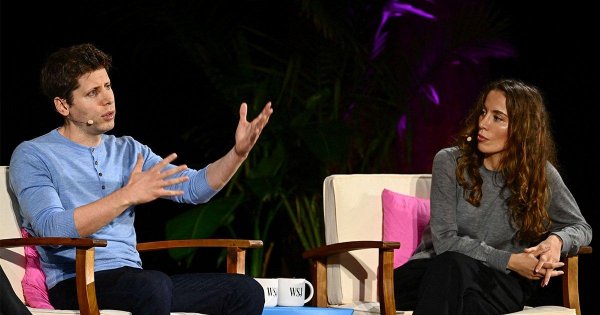
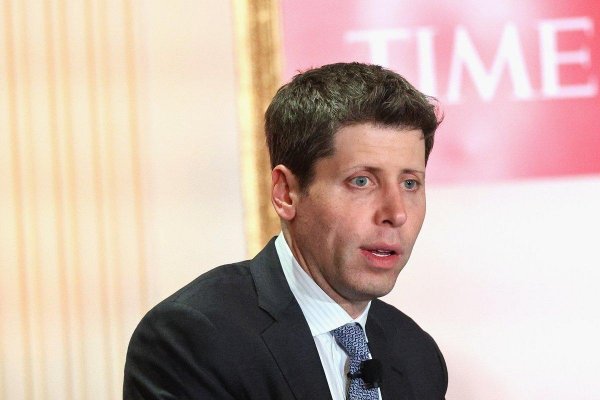
OpenAI chief executive Sam Altman has revealed that he leans heavily on his company's AI chatbot for guidance in raising his newborn son, a confession that has drawn both amusement and concern from experts and the public. During an appearance on The Tonight Show Starring Jimmy Fallon on Monday, Altman said he cannot picture navigating early parenthood without ChatGPT, even though generations of parents have managed without such tools.
Altman recounted asking the chatbot why his infant kept dropping pizza on the floor and laughing, and admitted to hiding in a bathroom at a social event to check whether it was normal for a six-month-old not to walk yet. His comments, delivered as a lighthearted anecdote, have nonetheless reignited a serious debate about the safety of relying on AI for child-rearing decisions.
The timing is notable: OpenAI is facing intense competition from Google and investor unease over its heavy spending. Some social media users accused Altman of using the talk-show appearance to shift attention away from the company's troubles. AI critic Ed Zitron wrote on X, "We're at the desperation stage," referring to Altman's Fallon spot and Nvidia CEO Jensen Huang's appearance on Joe Rogan's podcast. "They have no idea what to do anymore," Zitron added.
Why Experts Are Wary of AI Parenting Advice
Child health specialists have repeatedly cautioned that large language models like ChatGPT are not designed to provide reliable medical or developmental guidance. A 2024 study led by University of Kansas doctoral student Calissa Leslie-Miller found that parents often cannot distinguish between expert-reviewed advice and AI-generated responses. Leslie-Miller noted that some early AI outputs contained incorrect information, a problem she attributed to the systems' tendency to "hallucinate" when lacking sufficient context.
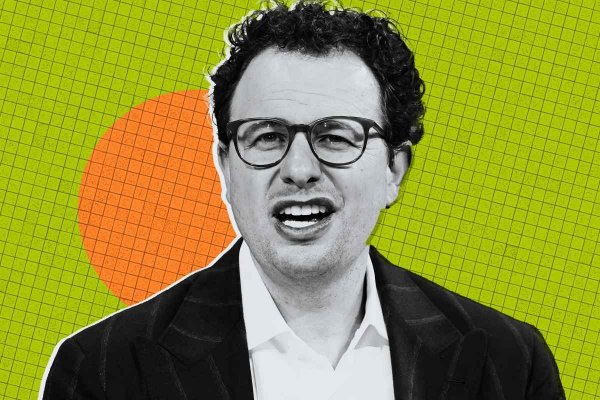
Dartmouth College associate professor Nicholas Jacobson, who studies biomedical data science, told Parents magazine that a growing number of parents are turning to chatbots for support with sleep, feeding, and developmental milestones. He warned that general-purpose models are not trained on validated parenting science, so their advice can be "generic, wrong, or reflect the biases in their training data." Jacobson stressed that AI cannot replace the clinical judgment of a doctor or the intuitive knowledge a parent has about their own child.
Adolescent psychologist Sophie Pierce added that some new parents use AI to interpret pediatrician notes or address behavioral challenges, but she emphasized that these tools should not be seen as substitutes for professional care.
Mixed Reactions and a Broader Concern
While Altman's remarks were likely intended to be relatable, they have sparked a wider conversation about the influence of AI on family life. One social media user pointed out that Altman likely has a full-time nanny who does not rely on ChatGPT, questioning the necessity of the tool for most parents.
Researchers argue that the real danger lies in the potential for AI to provide misleading information that could affect children's health. The 2024 study highlighted a "critical need for expert oversight of ChatGPT" to safeguard child healthcare information. As chatbots become more embedded in daily routines, the gap between convenience and safety remains a pressing issue for families and policymakers alike.











Leave a Comment