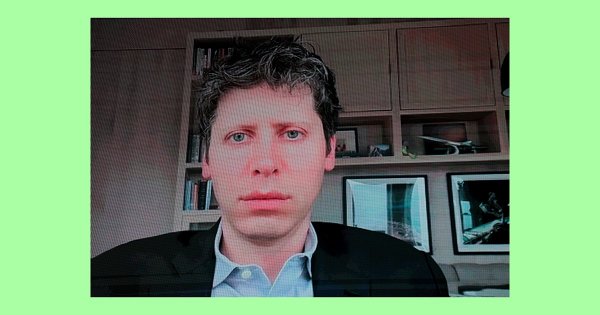
Nearly a decade after OpenAI's founding as a nonprofit dedicated to the betterment of humanity, a coalition of former employees, legal scholars, and Nobel laureates is urging state attorneys general to block the company's planned transition to a fully for-profit entity. In a letter dispatched this week to the attorneys general of California and Delaware, the group argues that OpenAI's proposed restructuring would abandon the fiduciary duty that currently binds its directors to the company's charter, which explicitly aims to ensure that artificial general intelligence (AGI) benefits all of humanity.
OpenAI, co-founded by Sam Altman and Elon Musk in 2015, has already pivoted significantly toward commercial operations—most notably with ChatGPT, which charges subscription fees for premium features. However, the current plan would convert the entire organization into a for-profit public benefit corporation, a move that critics say would place shareholder interests on equal footing with—or even ahead of—humanitarian goals. Musk, who left OpenAI in 2019 and now runs his own AI venture, xAI, is not part of the current petition.
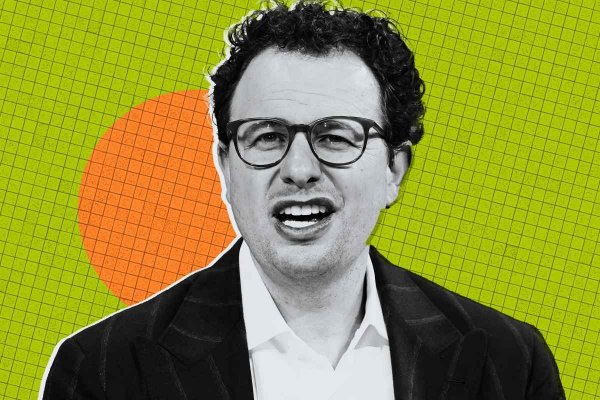
Former OpenAI employee Nisan Stiennon, who signed the letter, warned that the company's pursuit of AGI—a hypothetical point where machine intelligence matches or exceeds human capability—could pose existential risks. "OpenAI may one day build technology that could get us all killed," Stiennon said. "It is to OpenAI's credit that it's controlled by a nonprofit with a duty to humanity. This duty precludes giving up that control."
The legal distinction is central to the critics' argument. As a nonprofit, OpenAI's directors are legally obligated to follow the company's charter, which includes the humanitarian goal. Todor Markov, another former OpenAI employee now at Anthropic—a company overseen by a five-person long-term benefit trust—explained that directors of a public benefit corporation would not have the same mandatory duty. "They would be allowed to balance [that duty] against shareholder interests, but not required to do so," Markov said. "As long as they haven't broken any laws, you have no recourse."
The appeal to state attorneys general comes amid a backdrop of governance turbulence at OpenAI. In 2023, Altman was briefly ousted from the company following a series of controversial actions, including hiding the release of ChatGPT from the board and approving enhancements to ChatGPT 4.0 without the Safety Board's approval. The ouster lasted only five days before Altman was reinstated, but the episode has left a lasting mark on his leadership.
The ultimate decision on whether OpenAI can proceed as a public benefit corporation rests with the attorneys general of California and Delaware. Yet some observers question whether the issue is moot, given that AGI remains a theoretical goal. A growing body of research suggests that AGI may be impossible to achieve with current technology, which would render the threat of a for-profit OpenAI less immediate than some fear.
Regardless, the petition highlights a broader tension in the AI industry, where most leading companies operate as for-profit ventures. OpenAI's shift would align it with the commercial mainstream, but critics argue it would sever the company from the humanitarian promise that originally distinguished it.














Leave a Comment