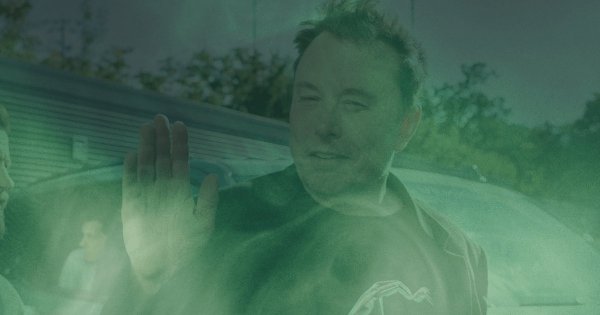
A newly operational AI supercomputer in Memphis is drawing scrutiny after reports of visible fumes emanating from its power source, intensifying concerns in a community already grappling with high pollution levels. The facility, built for Elon Musk's artificial intelligence company xAI, began operations last week, according to a social media post by Musk. Dubbed Colossus, the data center is powered in part by 18 methane gas generators, none of which received a permit, as reported by NPR.
The generators are emitting smoky exhaust into the air of southwest Memphis, an area where residents already face elevated cancer rates and lower life expectancy compared with other parts of the city, due to decades of industrial pollution. Environmental advocates describe the situation as a fresh burden on a community that has long borne the brunt of heavy industry.
“They have a very serious air pollution problem,” Amanda Garcia, a senior attorney at the Southern Environmental Law Center, told NPR. “Southwest Memphis is ground zero.”
Musk announced the completion of Colossus in an X post, stating that the facility runs on 100,000 Nvidia H100 graphics processing units, the chips widely used to train and run AI models. He also claimed the project took just 122 days to build and said he intends to double its capacity in the coming months. The primary purpose of the facility is to support Grok, xAI's text and image generation tool.
However, the rapid construction has raised questions about oversight and community engagement. Forbes reported in July that city officials who were aware of the project signed restrictive non-disclosure agreements, which prevented them from discussing the details publicly. That has left local residents and advocacy groups feeling shut out of decisions that could affect their health and environment.
KeShaun Pearson, president of the nonprofit Memphis Community Against Pollution, told NPR that his organization was not consulted about the facility, even though he grew up just a few miles from the site. “We have been deemed by xAI not even valuable enough to have a conversation with,” he said. “To not even be included in conversations about what is transpiring in our own backyards.”
The situation highlights a broader pattern of AI infrastructure development colliding with environmental and social concerns. As tech companies race to build massive data centers to support generative AI, the energy demands and emissions associated with these facilities are drawing increasing attention. In this case, the use of methane gas generators—typically a temporary or backup power source—has become a focal point for critics who argue that the environmental costs are being externalized onto vulnerable communities.
Musk has a history of clashing with environmental regulations, and this is not the first time his projects have faced scrutiny. But for residents of southwest Memphis, the issue is not abstract. The area has long been a site for industrial facilities, and its residents have suffered disproportionate health impacts as a result. Garcia noted that AI may be a cutting-edge technology, but it is imposing the same kinds of pollution burdens on communities that industrial sources have for the past 100 years.
For now, xAI has not publicly responded to the permit issues or the community's concerns. The company continues to expand its AI capabilities, with Musk indicating plans to grow the Colossus facility further. But the lack of transparency and the visible emissions are likely to keep the spotlight on the intersection of AI growth and environmental justice.


















Leave a Comment