
As the decade drew to a close, film critics and audiences alike took stock of a year that saw the rise of streaming platforms and renewed questions about the future of movie theaters. Among those offering a personal perspective is Jordan Raup, whose annual top-10 list for 2019 provides a snapshot of a year rich in ambitious storytelling and bold directorial choices.
Raup, a contributor to a prominent film publication, did not merely rank the year's releases; he also highlighted the films that narrowly missed his top 15, including Ash Is Purest White, Our Time, American Factory, Uncut Gems, Little Women, and Portrait of a Lady on Fire. His list also acknowledges a notable trend: a surge in music-centric films, with works by Paul Thomas Anderson, Mike Mills, Martin Scorsese, and Beyoncé capturing attention.
Top 10 Highlights
At number 10, Raup placed Dark Waters, directed by Todd Haynes, praising its subversion of typical activist-thriller tropes and the performances of Mark Ruffalo and Bill Camp. The film, which tackles corporate greed and environmental damage, was noted for its clear-eyed direction and lack of easy answers.
Ranking ninth is Genesis, a Canadian coming-of-age drama by Philippe Lesage, which Raup lauded for its fresh take on adolescent turmoil, featuring standout performances by Théodore Pellerin and Noée Abita. The film, only Lesage's third feature, was described as a confident expansion of his earlier work The Demons.
Eighth place went to Dragged Across Concrete, S. Craig Zahler's bleak crime epic. Raup acknowledged the controversy surrounding the casting of Mel Gibson but argued that the film's grim ending for its lead characters demonstrates a nuanced approach to its themes. He called Zahler a master of pulp and violence, whose uncompromising vision is rare in independent American cinema.
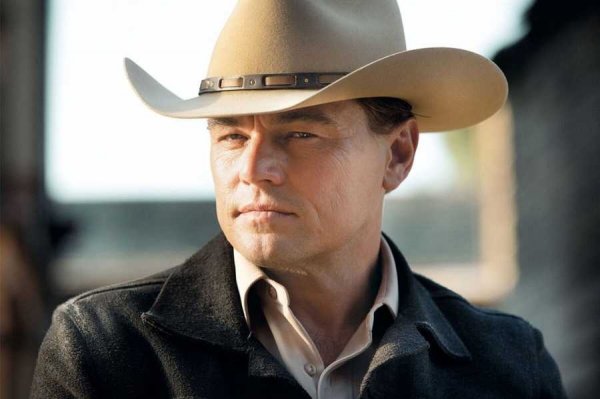
Quentin Tarantino's Once Upon a Time… in Hollywood took seventh place, with Raup praising its relaxed charm and the performances of Leonardo DiCaprio, Brad Pitt, and Margot Robbie. He noted that the film's underlying tension and its ode to a bygone era become more apparent on repeat viewings.
Martin Scorsese's The Irishman landed at number six. Raup, who attended the world premiere at the New York Film Festival, found the 3.5-hour epic even more powerful at home, where its character dynamics and devastating final hour resonated deeply. He also highlighted the film's significance as a testament to the kind of studio investment that has become rare.
James Gray's Ad Astra secured the fifth spot, with Raup describing it as a masterclass in detail and a mesmerizing space odyssey. He praised the film's visual precision and the immersive experience, particularly on an IMAX screen.
Fourth place went to Ryūsuke Hamaguchi's Asako I & II, an absorbing riff on Vertigo that Raup found both playful and tender. The film, based on a novel by Tomoka Shibasaki, follows a woman whose lover disappears, only to reappear in the form of a lookalike years later.
Bi Gan's Long Day's Journey Into Night ranked third, with Raup highlighting its groundbreaking hour-long single take and its dreamlike narrative. He argued that the film is a testament to the value of the theatrical experience, even as it challenges conventional storytelling.
Terrence Malick's A Hidden Life took second place. Raup saw it as a continuation of Malick's radical reinvention, a three-hour drama about an Austrian farmer's moral stand against the Third Reich. He praised the film's endurance and its ability to convey both beauty and horror.
Topping the list is Christian Petzold's Transit, a modern adaptation of Anna Seghers' 1942 novel set in Marseilles. Raup called it a genius touch to update the setting without altering the dialogue, creating a timeless meditation on displacement and identity. He noted that the film, now streaming on Amazon Prime, rewards repeat viewings.
Raup's list reflects a year in which filmmakers pushed boundaries, whether through unconventional narratives, historical reimaginings, or immersive visual experiences. As the industry continues to evolve, these films offer a compelling argument for the enduring power of cinema.


Leave a Comment