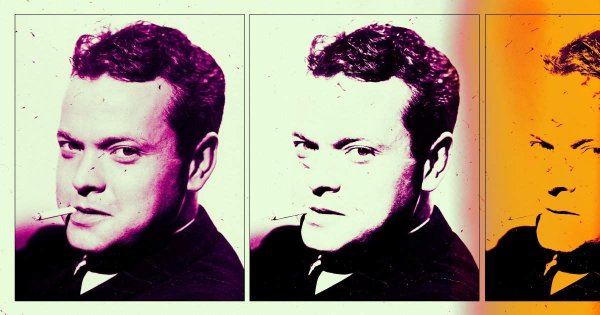
Amazon's recent investment in an AI-driven video application has led to a proposal to reconstruct the missing final 43 minutes of Orson Welles' 1942 film "The Magnificent Ambersons" using artificial intelligence. The project, spearheaded by Edward Saatchi, CEO of Showrunner AI, and indie filmmaker Brian Rose, aims to film new sequences with live actors and then digitally swap their faces with AI recreations of the original cast. However, the Welles estate, managed by David Reeder on behalf of Welles' daughter Beatrice, has publicly objected, stating they were not informed of the plan.
The estate's spokesperson told Variety that while they have embraced AI for a voice model of Welles' baritone for brand work, this particular endeavor is "disappointing" and lacks the "creative instincts resident in the human mind." The statement emphasized that the effort would be a "purely mechanical exercise" without Welles' innovative thinking.
The film, based on Booth Tarkington's 1918 Pulitzer-winning novel, is often cited as a "ruined masterpiece" because RKO Studios cut nearly an hour of footage and altered the ending, leaving Welles devastated. He famously lamented, "They destroyed 'Ambersons,' and it destroyed me." The original footage was burned, though rumors persist of a copy in Brazil, which Showrunner has not confirmed obtaining.
This AI resurrection follows a trend of posthumous digital recreations, from historical figures in "Forrest Gump" to actors like Peter Cushing in "Rogue One" and Carrie Fisher in "The Rise of Skywalker," the former of which led to a legal dispute with Disney. The Welles estate's criticism adds to a growing list of unauthorized uses of celebrity likenesses, such as a podcast's use of George Carlin's voice last year.
Why the Estate's Objection Matters
The estate's stance is notable because it has previously cooperated with AI storytelling app Storyrabbit to use Welles' voice, indicating a willingness to engage with the technology under certain conditions. Their objection here is not to AI per se, but to the lack of consultation and the perceived disregard for Welles' artistic legacy.
The project, which would be executed by VFX specialist Tom Clive, is still in early stages, and no timeline has been announced. The estate's public rebuke may influence how other AI ventures approach the use of deceased artists' work, especially as Amazon expands its footprint in AI-driven entertainment.
As AI continues to blur the lines between preservation and recreation, the "Ambersons" case underscores the need for clear communication and consent when dealing with cultural heritage. For now, the Welles estate's message is clear: technology should not replace the human touch that defines art.



















Leave a Comment