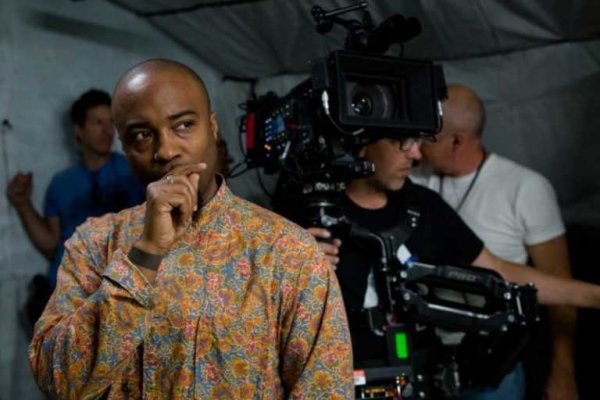
Six of the year’s most recognized directors of photography sat down for an hour-long roundtable hosted by The Hollywood Reporter, offering a rare, technical deep dive into the visual language of their recent films. The panel featured Bradford Young (Arrival), John Toll (Billy Lynn’s Long Halftime Walk), Charlotte Bruus Christensen (Fences), Caleb Deschanel (Rules Don’t Apply), Rodrigo Prieto (Silence), and Linus Sandgren (La La Land).
Unlike the typical awards-season circuit, where actors often discuss the emotional weight of their roles, this conversation centered on the mechanics of image-making: lighting, lens choice, camera movement, and the collaborative process with directors. The cinematographers shared how they approached the distinct visual challenges of each project, from the intimate, character-driven frames of Fences to the immersive, large-format look of Billy Lynn’s Long Halftime Walk.
Why the Craft Matters
The roundtable underscores the often-overlooked role of the cinematographer in shaping a film’s narrative and emotional tone. Young, known for his work on Arrival, discussed how visual texture can communicate meaning before a single line of dialogue is spoken. Toll, a two-time Oscar winner, elaborated on the technical demands of shooting at high frame rates for Ang Lee’s war drama, a process that required new approaches to lighting and composition.
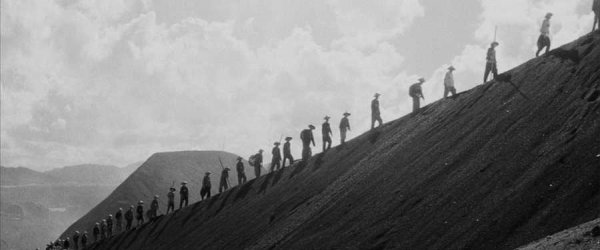
Christensen, one of the few women in the field, spoke about the importance of capturing performances with subtlety, particularly in a dialogue-driven film like Fences. Deschanel, a veteran with multiple Oscar nominations, reflected on the period aesthetic of Rules Don’t Apply, while Prieto detailed the meticulous research behind the muted, naturalistic palette of Silence, Martin Scorsese’s historical drama. Sandgren, who later won the Academy Award for La La Land, discussed the vibrant, saturated color scheme that paid homage to classic Hollywood musicals.
The conversation, which was recorded and made available for viewing, also touched on the broader state of the industry, including the shift toward digital cinematography and the enduring value of traditional techniques. The panelists agreed that while technology evolves, the fundamental goal remains the same: to serve the story and the director’s vision.
For those interested in more in-depth interviews, The Hollywood Reporter has also published separate conversations with Young and Toll, providing further insight into their individual approaches. The roundtable offers a valuable resource for film students, aspiring cinematographers, and anyone curious about the art behind the images on screen.


Leave a Comment