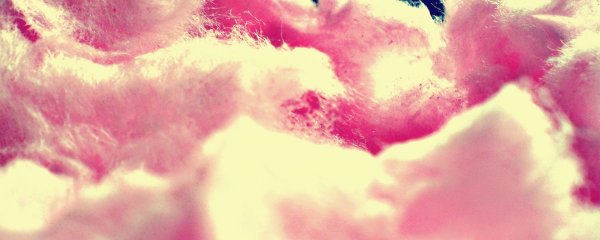
Researchers at Vanderbilt University have turned a childhood treat into a serious scientific tool. By adapting a $40 cotton candy machine, they have spun microscopic polymer threads that replicate the size, density, and complexity of human capillaries — the tiny blood vessels that deliver oxygen and nutrients to tissues. The innovation, led by mechanical engineering professor Leon Bellan, could pave the way for creating artificial organs in the lab.
The idea emerged from a simple purchase. Bellan bought a cotton candy machine from Target for about $40. "It turned out that it formed threads that were about one tenth the diameter of a human hair – roughly the same size as capillaries – so they could be used to make channel structures in other materials," he said.
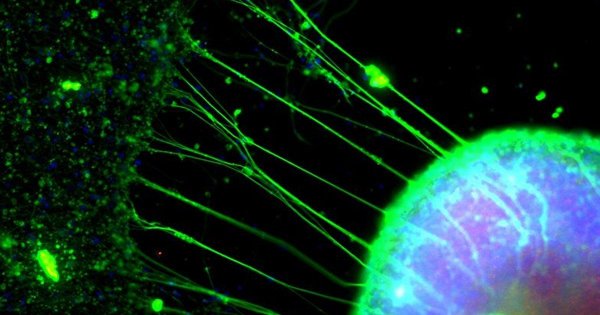
To create these capillary-like networks, the team spins a non-sugar polymer into cotton candy, then pours a gel containing human cells over it. Bellan developed a method to dissolve the cotton candy on demand, so the structure remains intact until the gel sets. Once dissolved, a three-dimensional network resembling the body's capillary system remains.
"Some people in the field think this approach is a little crazy," Bellan admitted. "But now we've shown we can use this simple technique to make microfluidic networks that mimic the three-dimensional capillary system in the human body in a cell-friendly fashion." The challenge, he noted, is adding the third dimension: "Generally, it's not that difficult to make two-dimensional networks, but adding the third dimension is much harder; with this approach, we can make our system as three-dimensional as we like."
The use of gelatin is particularly appealing because of its low cost and compatibility with cells. Hydrogels can be tuned to closely mimic the natural extracellular matrix that surrounds cells in the body, providing a supportive environment for tissue growth.
Building a Toolbox for Tissue Engineering
Now that the technique has been validated, Bellan and his team plan to refine it to match the characteristics of small vessel networks in different tissue types. They are also exploring a variety of cell types to broaden the application.
"Our goal is to create a basic 'toolbox' that will allow other researchers to use this simple, low-cost approach to create the artificial vasculature needed to sustain artificial livers, kidneys, bone and other organs," Bellan said.
The methods are detailed in the journal Advanced Healthcare Materials, providing a roadmap for other labs to replicate and build upon the work.















Leave a Comment