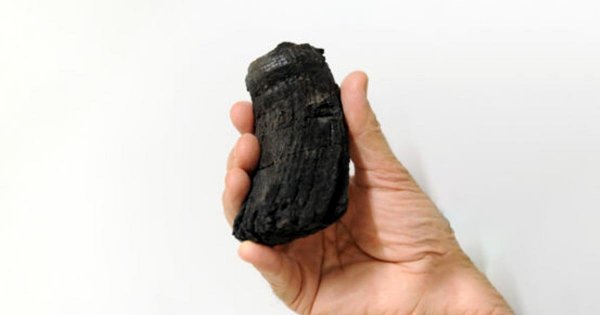
Paleontologists have uncovered a fossil tooth in the Swiss Alps that suggests some ancient marine reptiles reached lengths rivaling half a blue whale. The tooth, about four inches long and missing most of its crown, has a root twice as wide as any known aquatic reptile, according to a study published Thursday in the Journal of Vertebrate Paleontology.
The fossil was found in the Kössen Formation, a geological layer dating to the Late Triassic, roughly 200 million years ago. At that time, the earliest dinosaurs were emerging on land, while the oceans teemed with giant ichthyosaurs—reptiles that resembled modern dolphins but grew to enormous sizes.
The researchers, led by Martin Sander, a paleontologist at the University of Bonn in Germany, estimate the creature to which the tooth belonged was about 49 feet long. That would make it nearly half the length of a full-grown blue whale, and significantly larger than the ichthyosaurs that lived later, during the Jurassic period.
“Bigger is always better,” Sander said in a statement, adding that the find is “a major embarrassment for paleontology that we know so little about these giant ichthyosaurs despite the extraordinary size of their fossils.”
The study suggests the tooth may represent the upper limit of ichthyosaur tooth size, hinting that late-Triassic species were distinctly larger than their later relatives. However, the researchers caution that it remains unclear whether the tooth came from a large ichthyosaur with giant teeth or a giant ichthyosaur with average-sized teeth.
“It is hard to say if the tooth is from a large ichthyosaur with giant teeth or from a giant ichthyosaur with average-sized teeth,” Sander admitted.
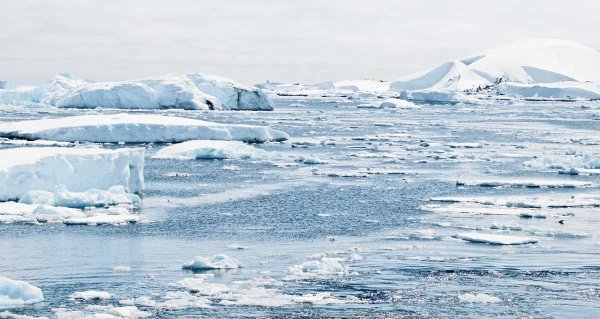
Despite the impressive find, many questions remain about these ancient giants. Sander expressed hope that “maybe there are more remains of the giant sea creatures hidden beneath the glaciers.” Given the current rate of climate change and carbon emissions, he may get his wish, as melting ice could expose more fossils in the future.
The discovery adds to a growing body of evidence that the Triassic period was a time of immense biodiversity and size among marine reptiles, and it underscores how much remains unknown about prehistoric life.
















Leave a Comment