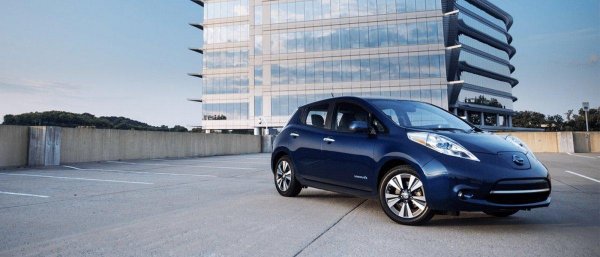
Switching to electric vehicles could save the U.S. billions of dollars in health and climate costs, according to a new report from the American Lung Association (ALA). The report, which focuses on 10 states with existing zero-emission vehicle (ZEV) programs, estimates that fossil fuel cars were responsible for over $37 billion in health and climate costs in 2015 alone.
The health-related costs alone totaled around $24 billion, including 220,000 work-loss days, more than 109,000 asthma exacerbations, hundreds of thousands of other respiratory health impacts, and 2,580 premature deaths. These figures highlight the tangible burden that gasoline-powered vehicles place on public health and the economy.
The ALA's report outlines a scenario it calls the “ZEV future,” in which 100% of all new cars sold and 65% of all cars on the road are zero-emission vehicles. Under this scenario, the U.S. could save approximately $18.5 billion in 2030 and $33.3 billion in 2050 across the 10 states analyzed. These savings would come from reduced healthcare costs, fewer missed workdays, and lower climate-related damages.
Policy Support and Market Response
The report suggests that such a future is becoming more attainable, thanks to government policies like California's ZEV Purchase Vouchers, which lower the upfront cost of electric vehicles and encourage their adoption. These incentives are helping to drive consumer demand, and automakers are responding accordingly.
Honda, for instance, is developing a full lineup of hybrid and electric cars, while Audi plans to expand its electric vehicle offerings to 25% of its portfolio over the next decade. Tesla continues to push the boundaries of electric vehicle performance, and many other manufacturers are investing heavily in EV technology.
The growing variety of electric vehicles on the market is expected to accelerate the transition away from fossil fuel cars, which could deliver significant environmental and economic benefits. As the ALA report demonstrates, the shift to electric vehicles is not just an environmental imperative but also a fiscal one.



















Leave a Comment