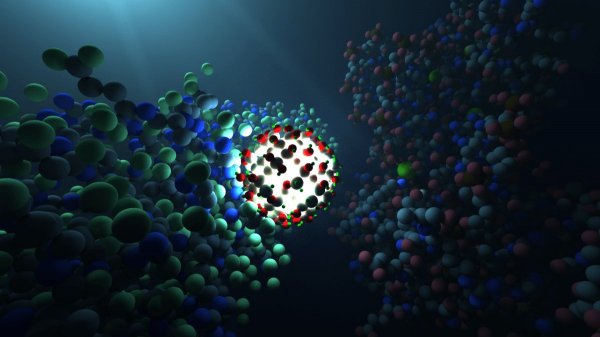
In a significant step toward addressing the global threat of antibiotic resistance, researchers at the University of Colorado Boulder (CU-Boulder) have engineered light-activated nanoparticles that can selectively destroy drug-resistant bacteria while leaving healthy cells unharmed. The breakthrough, published in the journal Nature Materials, reported that the nanoparticles eliminated 92% of antibiotic-resistant bacteria in laboratory tests, including strains of Staphylococcus, E. coli, and Salmonella.
The urgency of this work is underscored by a UK-based Review on Antimicrobial Resistance, which projects that drug-resistant infections could claim 10 million lives annually by 2050—a death toll that would surpass current cancer mortality rates. The same review estimated that the economic cost of such infections could reach $100 trillion, exceeding the combined GDP of every nation on Earth.
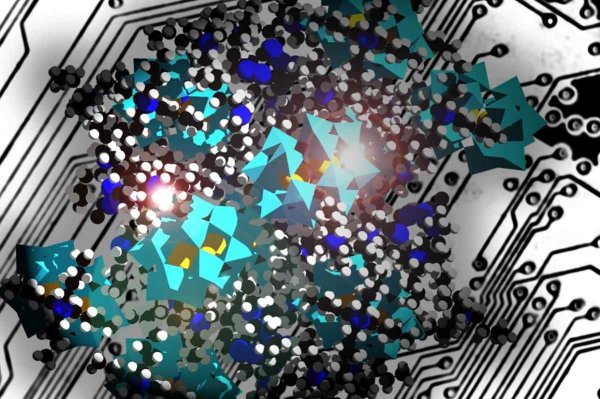
While previous attempts to use nanoparticles against superbugs often damaged healthy tissue, the CU-Boulder team introduced a photo-activation mechanism that provides precise control over which cells are targeted. The nanoparticles, made from quantum dots—semiconductors that confine electrons in three dimensions—are approximately 20,000 times smaller than a human hair. By exposing these quantum dots to specific wavelengths of light, the researchers were able to direct their attack exclusively toward the infectious bacteria.
How the Technology Works
Quantum dots are nanoscale semiconductors that exhibit unique optical and electronic properties due to their size. In this study, the scientists leveraged these properties to create highly specific interactions within the cellular environment. Assistant Professor Prashant Nagpal, senior author of the study, explained in a news release that shrinking the semiconductors to the nanoscale enables "highly specific interactions within the cellular environment that only target the infection."
The photo-activation process is key to the therapy's selectivity. By adjusting the wavelength of light, the researchers could effectively "tell" the quantum dots which cells to attack, minimizing collateral damage to healthy tissue—a major hurdle in previous nanoparticle-based treatments.
Implications for Future Therapies
Nagpal emphasized that this approach could accelerate the development of new treatments as bacteria evolve resistance. "While we can always count on these superbugs to adapt and fight the therapy, we can quickly tailor these quantum dots to come up with a new therapy and therefore fight back faster in this evolutionary race," he said.
The findings offer a promising avenue for addressing the growing challenge of antimicrobial resistance, which has been exacerbated by overuse of antibiotics and the slow pace of new drug development. Although the research is still in the laboratory stage, the ability to rapidly adjust quantum dots to counter evolving bacterial strains could provide a flexible tool in the medical arsenal.
As the world grapples with the looming threat of drug-resistant infections, this study provides a glimpse of a potential strategy that combines nanotechnology and light-based activation to outpace the adaptability of superbugs.















Leave a Comment