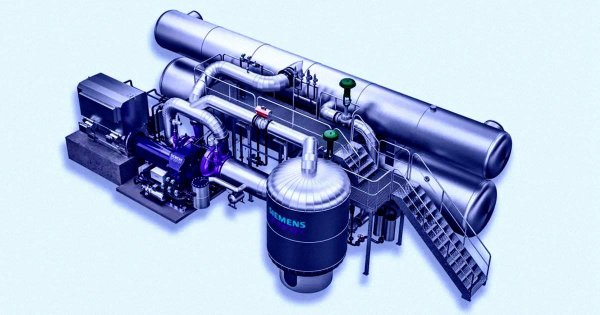
MANNHEIM, Germany — A German energy utility is converting the site of a retired coal-fired power station into what could become the world's most powerful heat pump installation, using water drawn from the Rhine River to supply warmth for tens of thousands of households.
MVV Environment, the company behind the project, plans to build two industrial-scale heat pumps that will extract thermal energy from the river and feed it into Mannheim's district heating network. The system is designed to provide heat for approximately 40,000 homes, according to reports from the BBC.
The Rhine, Western Europe's second-longest river, carries an average flow of about 100,000 cubic feet per second as it winds from the Swiss Alps through Germany's western border with France and into the North Sea via the Netherlands. That constant movement of water represents a largely untapped reservoir of renewable energy, and MVV's plan aims to put it to use.
The technology mirrors the mechanics of residential heat pumps, which use compressors, refrigerants, coils, and fans to transfer heat from the outside air into a building during winter, or reverse the process to cool interiors in summer. The Mannheim pumps, however, will operate at a much larger scale, drawing heat from the river rather than the air and distributing it through hot water or steam pipelines.
Why District Heating Is Gaining Ground
Heat pumps are widely recognized for their efficiency compared with gas boilers or electric resistance heaters. The International Energy Agency has estimated that district heating systems could supply up to 50 percent of Europe's heating demand, with heat pumps delivering roughly a quarter of the energy transported through such networks.
The Mannheim project is part of a broader European trend. In Aalborg, Denmark, a similar river-based heat pump system is under development. In the United Kingdom, heat pumps are being used to extract warmth from water in abandoned mines. Helsinki, Finland, already taps heat from ambient air for its district heating grid.
One notable advantage for MVV is that the former coal plant site is already connected to both the electrical grid and Mannheim's existing district heating infrastructure, reducing the need for new transmission lines or pipelines.
Cost and Timeline
The company expects to begin construction next year, with completion targeted two to three years later. The price tag is substantial: the two pumps are projected to cost around $235 million, a figure that underscores the financial hurdles facing large-scale heat pump adoption.
Despite the expense, the project represents a symbolic break from the region's coal-burning past. By repurposing the old power station's location, MVV is signaling a transition toward lower-emission heating technologies, though the company has not disclosed specific emissions reduction targets or operational efficiency figures.
Industry observers note that the compressor technology required for such large pumps has already been refined by the oil and gas sector, which could help accelerate deployment. Still, the high upfront cost remains a barrier for many municipalities considering similar systems.
As Europe pushes to decarbonize its building sector, projects like Mannheim's will be watched closely for their technical and economic viability. For now, the Rhine's steady current is poised to play a central role in heating one German city's homes.













Leave a Comment