
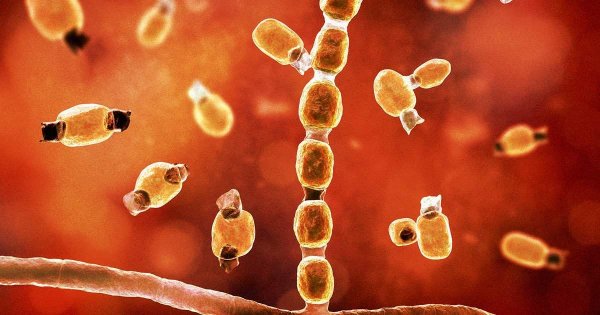
High-altitude trekkers in the Italian Alps are reporting an unusual sight: patches of snow stained a vivid pink. The coloration, sometimes called 'strawberry snow,' is the work of blooming algae, and scientists are studying whether it could hasten the disappearance of the region's glaciers.
The phenomenon, while visually striking, is a cause for concern among researchers. According to a report by Earther, the pink hue is not a harmless quirk. The algae darken the snow's surface, reducing its ability to reflect sunlight. This means the snow absorbs more solar radiation, warming up and melting faster than it would otherwise.
Biagio Di Mauro, a researcher with Italy's National Research Council, told Earther that the algae blooms are not new. They occur regularly on glaciers during the spring and summer months. However, the changing climate may be making them more frequent or intense. 'Less solid precipitation during winter and higher air temperatures during spring and summer are expected to favor the formation of snow- and glacier-algae,' Di Mauro explained.
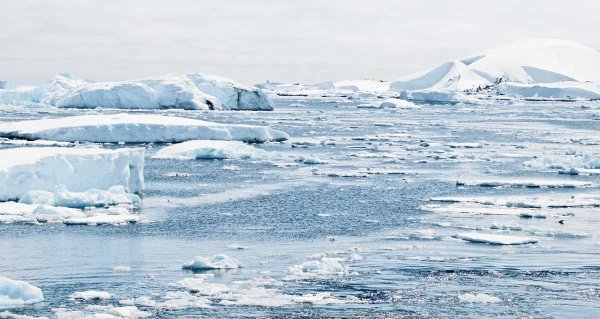
The implications are significant for the Alps, where snow cover has been declining. Scientists have observed that many glaciers in the region could vanish within this century, as winter snowfall fails to keep pace with summer melting. The presence of algae could accelerate this trend, though the full extent of their impact remains uncertain.
The algae themselves are not directly melting the ice, as Earther notes. Instead, they change the snow's albedo—its ability to reflect light. Darker surfaces absorb more heat, and this extra warmth can cause the snow to melt from within, rather than just from the surface down. This process can create a feedback loop: more melting exposes more algae, which in turn darkens more snow.
While the exact relationship between rising global temperatures and algae blooms is still being studied, the possibility of a vicious cycle is a growing concern. Warmer conditions could lead to more algae, which would speed up melting, which would further warm the local climate. This is particularly worrying for the Alps, which are already experiencing some of the fastest warming rates in Europe.
Why This Matters for the Alps
The Alps are a vital source of freshwater for millions of people in Europe, feeding major rivers like the Rhine and the Po. They also support a multi-billion-dollar tourism industry, with winter sports and summer hiking drawing visitors from around the globe. The loss of glaciers would have far-reaching consequences, affecting everything from water supply to hydroelectric power generation.
Scientists are now calling for more research into the algae's role in glacier dynamics. Understanding how these blooms interact with snow and ice could help improve climate models and predict future changes. In the meantime, the pink snow serves as a visible reminder of the complex and often unexpected ways climate change is reshaping the planet's landscapes.
For now, the sight of pink snow in the Alps is a curiosity for hikers, but for researchers like Di Mauro, it is a warning sign. The same algae that paint the mountains in hues of pink and red are also agents of change, potentially accelerating the loss of snow and ice that define these iconic peaks.
















Leave a Comment