
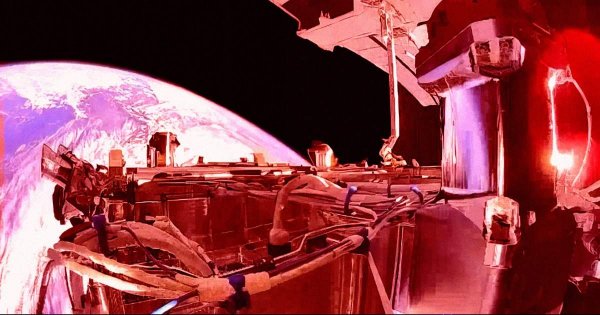
NASA's experimental solar sail spacecraft, the Advanced Composite Solar Sail System (ACS3), is experiencing an uncontrolled spin in orbit after a slight bend was discovered in one of its four support booms. The agency confirmed in a recent update that the spacecraft is "still slowly tumbling" because its attitude control system has not been re-engaged.
Launched on April 23, the ACS3 unfurled its 860-square-foot sail in early September. Since then, NASA has deliberately taken a cautious approach, allowing the spacecraft's dynamics to stabilize after deployment before reactivating the system that controls its orientation. However, the bend in the boom, which likely occurred as the sail was pulled taut during deployment, has complicated the process.
"Analysis indicates that the bend may have partially straightened over the weeks since boom deployment, while the spacecraft was slowly tumbling," NASA wrote in its update. Despite the issue, the agency maintains that the bend is not expected to cause major problems for the ongoing mission.
Why the Solar Sail Matters
Solar sails represent a low-cost propulsion method that harnesses the tiny pressure of sunlight to push spacecraft through space. The ACS3 is specifically designed to test new composite boom technology that could enable even larger solar sails in the future. This technology could pave the way for a new generation of spacecraft that rely on sunlight rather than traditional fuel.
NASA says that "data collected from this flight test has already proven highly valuable, and the demonstration will continue producing critical information to enable future solar sail missions." Teams are now waiting for the spacecraft to orient itself toward the sun for optimal power generation, at which point the attitude control system will reactivate to stabilize it.
While not the first solar sail ever deployed, ACS3's success could lay important groundwork for future missions. The spacecraft's tumbling is a reminder of the challenges inherent in testing new space technologies, but NASA's careful approach reflects its confidence in the mission's long-term value.
















Leave a Comment