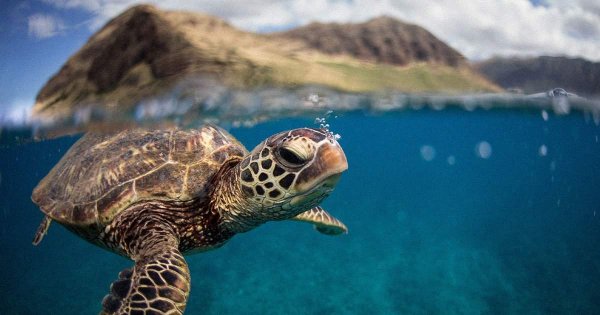
For the past four years, virtually no male sea turtle hatchlings have emerged from Florida's nests, according to researchers cited by Reuters. The phenomenon, driven by record-breaking summer temperatures, has resulted in approximately 99 percent of hatchlings being female, raising urgent concerns among conservationists.
Bette Zirkelbach, manager of a turtle hospital in the Florida Keys, told Reuters that the last four summers in Florida have been the hottest on record. "Scientists that are studying sea turtle hatchlings and eggs have found no boy sea turtles, so only female sea turtles for the past four years," she said. This skewed sex ratio, she warned, could have dire consequences for a species already grappling with poaching and habitat loss.
The mechanism behind this imbalance is well-documented by the National Ocean Service. Sea turtle eggs incubated below 81.86 degrees Fahrenheit produce males, while those above 88.8 degrees Fahrenheit yield females. Fluctuating temperatures can result in either sex, but the current trend is one of sustained warmth, not fluctuation. The broader impact of these heat waves is evident beyond turtle nests: U.S. power grids have struggled to keep up with summer demand, and thousands of deaths in the UK were attributed to extreme heat.
Melissa Rosales Rodriguez, a sea turtle keeper at the Miami Zoo, explained the long-term risk: "Over the years, you're going to see a sharp decline in their population because we just don't have the genetic diversity. We don't have the male-to-female ratio needed in order to be able to have successful breeding sessions." Without enough males, successful mating becomes increasingly difficult, potentially leading to a collapse in population numbers.
Rising Sand Temperatures Pose Additional Threat
The National Ocean Service has also warned that increasing sand temperatures could be lethal to developing embryos. If temperatures climb too high, eggs may not survive at all, meaning that the already low number of hatchlings could drop to zero. This would be a catastrophic blow to a species that is already vulnerable.
The situation in Florida is a microcosm of a global issue, as climate change continues to alter ecosystems. While the immediate focus is on sea turtles, the implications extend to human systems that are also struggling to adapt to a warming planet. The coming years will be critical for determining whether these trends can be reversed or mitigated.













Leave a Comment