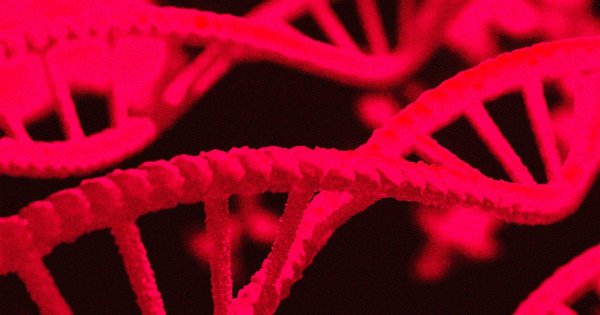
In a breakthrough that blurs the line between species at the molecular level, researchers have demonstrated that disabling a single protein can cause human DNA to adopt the chromosome structure typically found in mosquitoes. The discovery, published last week in the journal Science, not only reveals a fundamental difference in how genomes are organized but also provides a new window into the evolutionary forces that shape life.
The work emerged from two independent teams that converged on the same conclusion: the protein condensin II is the master regulator of chromosome folding. One team, led by cancer biologist Claire Hoencamp at the University of Amsterdam, found that when the gene responsible for condensin II is turned off, human chromosomes—normally tightly wound—unravel into a looser configuration that resembles the arrangement seen in mosquito cells. The other team, led by geneticist Olga Dudchenko at Baylor University, discovered that virtually every species falls into one of two categories: those with tightly packed chromosomes, like humans, and those with loosely folded ones, like mosquitoes.
The two categories are not static. Dudchenko's analysis revealed that some species have switched between the two structures over the course of their evolutionary history, a natural counterpart to the deliberate manipulation Hoencamp performed in the lab. By examining a wide range of organisms, the researchers confirmed that condensin II was the driving force behind every instance of chromosome-folding variation they observed.
The ability to morph human DNA into a mosquito-like structure is not about creating bizarre hybrids—it is a tool for understanding the basic principles of genome architecture. The tightly wound chromosomes in humans are thought to play a role in gene regulation and DNA replication, while the looser arrangement in mosquitoes may offer different advantages. The discovery opens up new avenues for studying how these structural differences affect cellular processes and organismal development.
Evolutionary Implications and Open Questions
The findings raise a tantalizing question: is there an evolutionary advantage to disabling condensin II? Dudchenko told Live Science that she suspects the subtle genetic change could have profound impacts on survivability, but the specific benefits—and the reasons some species switched between the two chromosome structures—remain unknown. The research team is now focused on exploring these evolutionary pressures and the potential functional consequences of chromosome organization.
The study adds to a growing body of evidence that chromosome structure is not just a passive packaging system but an active player in biology. Understanding how condensin II controls this process could have implications for cancer research, as chromosome misorganization is a hallmark of many tumors. While the current work is fundamental, it lays the groundwork for future studies that might link chromosome architecture to disease and evolution.
For now, the ability to reshape human DNA into a mosquito-like form stands as a striking demonstration of the plasticity of the genome. It also underscores the power of collaborative science: two teams, working independently, arrived at a shared insight that neither could have achieved alone. The next steps will be to uncover the functional consequences of these structural differences and to trace the evolutionary paths that led to the diversity of chromosome organizations seen in nature.
















Leave a Comment