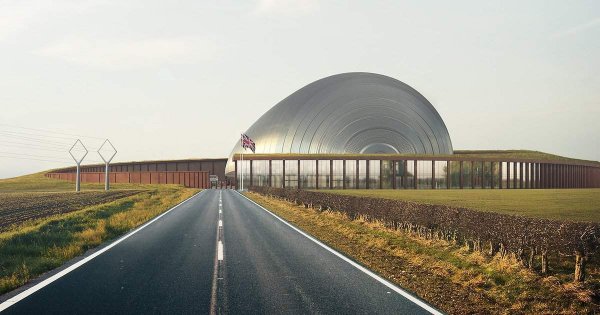
Rolls-Royce, the engineering group known for luxury automobiles and aerospace propulsion, is moving forward with a plan to install compact nuclear power stations at two locations in the United Kingdom. The proposed sites, one in Wales and another in northern England, would host so-called small modular reactors, a technology that the company says can be built in roughly half the time of conventional nuclear plants.
The initiative has been on the drawing board for years, but it gained momentum in July 2019 when the UK government committed funding to the program. Since then, the company has been refining its design and scouting potential locations, with the two named regions emerging as front-runners.
Each small modular reactor, or SMR, is designed to produce 440 megawatts of electricity. That is roughly three-quarters of the output of a traditional nuclear reactor, but the physical footprint is significantly smaller. The compact size also allows for faster assembly; Rolls-Royce estimates that a single unit could be constructed in four years, compared with the eight-year minimum for the UK's earlier reactor builds.
The timing aligns with a broader shift in the UK's energy landscape. The country is gradually retiring its aging nuclear fleet, citing safety concerns and the need for modernization. The goal is to shutter the last remaining conventional plant by 2030. In that context, SMRs are seen as a potential bridge to maintain baseload power while transitioning to cleaner sources.
Prime Minister Boris Johnson has been a vocal proponent of nuclear energy. Speaking in the House of Commons in July, he described the moment as a 'nuclear renaissance' and emphasized his conviction that nuclear must remain part of the nation's energy mix. His remarks came on his first day in the chamber after returning to frontline politics.
Why Small Modular Reactors Are Gaining Attention
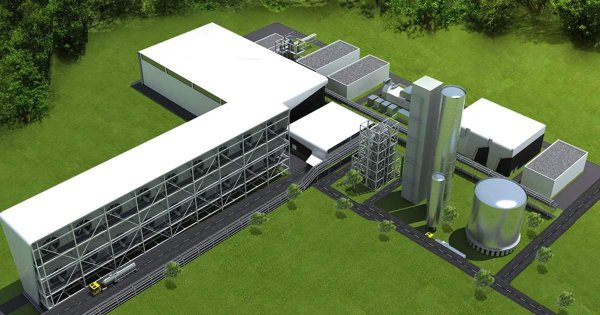
The appeal of SMRs lies in their modular design, which allows components to be factory-built and then assembled on site. This approach reduces construction time and upfront capital costs, making nuclear power more accessible for regions that may not have the grid capacity for a full-scale plant. Rolls-Royce has positioned its SMR as a versatile solution that can be deployed in remote areas or integrated into existing energy infrastructure.
While the company has not disclosed a specific timeline for breaking ground, the selection of candidate sites marks a significant step toward commercialization. The UK government's financial backing, coupled with Johnson's political support, suggests that SMRs could play a role in the country's long-term energy strategy.
Critics, however, point to the challenges that remain, including regulatory approvals, waste management, and public acceptance. Nuclear projects historically have faced delays and cost overruns, and SMRs, despite their smaller scale, are not immune to such risks. Still, proponents argue that the technology offers a pragmatic path to decarbonization without sacrificing reliability.
As the UK moves closer to its 2030 deadline for closing conventional reactors, the race is on to have SMRs operational in time to fill the gap. Whether Rolls-Royce can deliver on its four-year promise remains to be seen, but the company's commitment to the project signals a renewed confidence in nuclear power's role in the energy transition.















Leave a Comment