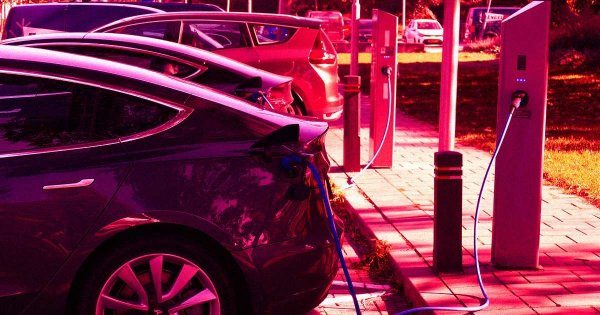
Electric vehicles have been hailed as a key solution to reduce greenhouse gas emissions, but a new analysis from a University of Toronto researcher argues that they are not enough. Alexandre Milovanoff, an environmental engineer, contends that a singular focus on electrifying cars overlooks the larger challenge of reducing private vehicle ownership altogether.
In a recent article for The Conversation, Milovanoff outlined three essential strategies to cut emissions from passenger transport: avoid unnecessary travel, shift to more efficient modes like buses and trains, and improve vehicle technology. Electric vehicles, he noted, only address the technological side of the equation.
His research, published in the journal Nature Climate Change, suggests that relying on electric cars alone would require hundreds of millions of vehicles, placing enormous strain on the electrical grid. The scale of such a transition, he argues, is unrealistic and fails to capture the potential benefits of robust public transportation systems.
The core of Milovanoff's argument is that while EVs offer significant environmental improvements over gasoline-powered cars, comparing them to internal combustion engines presents an incomplete picture. A more effective approach, he says, would involve rethinking urban infrastructure to prioritize clean buses, trains, and other shared transit options.
Why Public Transit Matters
Milovanoff's work highlights that the real promise of electric vehicles lies not in simply replacing gas cars, but in the opportunity to redesign transportation networks. By shifting away from private car ownership, cities could reduce congestion, lower emissions, and improve air quality—benefits that go beyond what electrification alone can achieve.
The engineer's commentary comes amid growing interest in electric vehicles as a climate solution. However, his analysis serves as a reminder that technology alone cannot solve the climate crisis. Policy makers and urban planners, he suggests, must consider a mix of strategies that include expanding public transit and encouraging alternatives to driving.
While the study does not dismiss the role of electric cars, it calls for a more ambitious vision. As Milovanoff put it, "EVs only tackle one side of the problem, the technological one."
The findings add to a broader conversation about sustainable transportation, emphasizing that the path to a low-carbon future may require fewer cars on the road, not just cleaner ones.
















Leave a Comment